Following up wastewater defects
A fault mentioned in a service report can be forgotten as soon as the visit is closed. Give it a record that stays open until someone resolves it.
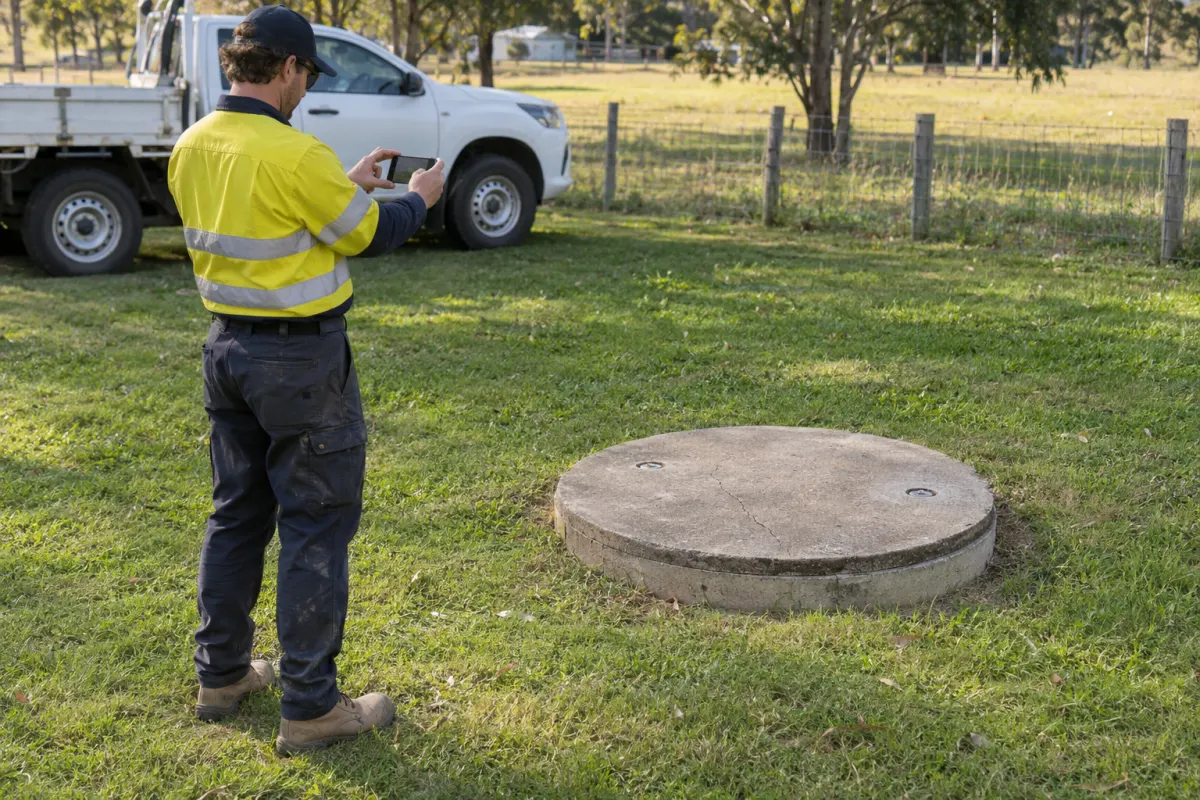
A technician records a fault, adds a photo and finishes the service. The report reaches the owner, the invoice is paid, and the fault is still there six months later. Everyone did their part of the visit, but nobody owned the next step.
Treat the defect as its own piece of work linked to the system. That lets the service close without making the unresolved fault disappear. This guide covers the office and field records around defects; assessing the condition and deciding how to repair it belongs with the appropriate qualified person.
Describe what was observed
Use a title that helps someone recognise the issue in a list. A component name and observed problem are more useful than a general note saying the system needs attention. Include the property, specific system, visit date and technician.
Keep observation and proposed work distinguishable. A photo can show a damaged part; it won’t explain every cause or establish what replacement is suitable. Record what the technician found, what further assessment is needed and what recommendation they gave, without turning an assumption into a confirmed diagnosis.
Attach evidence with a caption and enough context to locate the issue. Our photos and signatures guide explains a capture routine that helps the next technician recognise the same component.
Decide who acts next
Every open defect needs a responsible person and a next step. That person might need to contact the owner, arrange an assessment, prepare a quote or confirm access for another visit. Give the follow-up a date so it can appear in a work list.
Use your business’s assessment and escalation process when deciding priority. A label alone doesn’t tell the dispatcher what to do, and administrative severity fields aren’t a substitute for the people responsible for technical and safety decisions.
If the technician needs to hand something over urgently, agree on a direct contact method as well as saving the record. A note waiting on an offline device may not reach the office immediately. The end-of-day handover should catch ordinary outstanding work, while urgent communication follows the process you’ve already established.
Record the owner’s response
Keep a dated note of the contact and what was agreed. If a quote is requested, link it to the fault. If the owner wants time to decide, record when someone will follow up instead of leaving a permanent waiting-for-customer label.
An accepted quote is a useful commercial milestone, but it doesn’t mean the work has been carried out. Keep the defect open through booking and attendance until the outcome has been checked and recorded.
When approval is declined or the owner can’t be reached, record that fact accurately. Decide who reviews those cases and how often under your own process. Don’t convert silence into an approval or mark the defect repaired to clear a crowded list.
Book a linked visit
The repair or assessment booking should identify the defect and carry the evidence forward. Include what has been authorised and any parts or access arrangements already confirmed. Otherwise the next technician can arrive with a vague instruction and have to repeat the first investigation.
Keep new observations with that visit. If the scope changes, pass the decision back to the appropriate person and record the agreement. The original defect record should explain how the work developed, rather than being repeatedly overwritten until only the last note remains.
Use the system’s service history to spot related previous work. Similar symptoms at the same property may concern a different unit, so match the system before drawing conclusions from an old report.
Close it with an outcome
Before closing a defect, record what was done, when and by whom. Link the completed visit, supporting evidence and any new recommendation. If the work only investigated the issue, describe that outcome and keep whatever remains outstanding visible.
Review the open list regularly for entries with no next step or an old follow-up date. That is a better starting point than simply sorting by how long they’ve existed.
Rangefront Waste keeps open defects against the customer, site and system. A defect can carry a severity and due date, and Book repair starts a linked booking. Resolved defects can be reopened. When comparing septic service software, follow one fault from a field record through approval and repair, then check whether another staff member can understand the history without a verbal explanation.