Testing an offline field app
A saved tick on a phone doesn't tell the office whether a job arrived. Test the whole trip from morning download to the final photo upload.
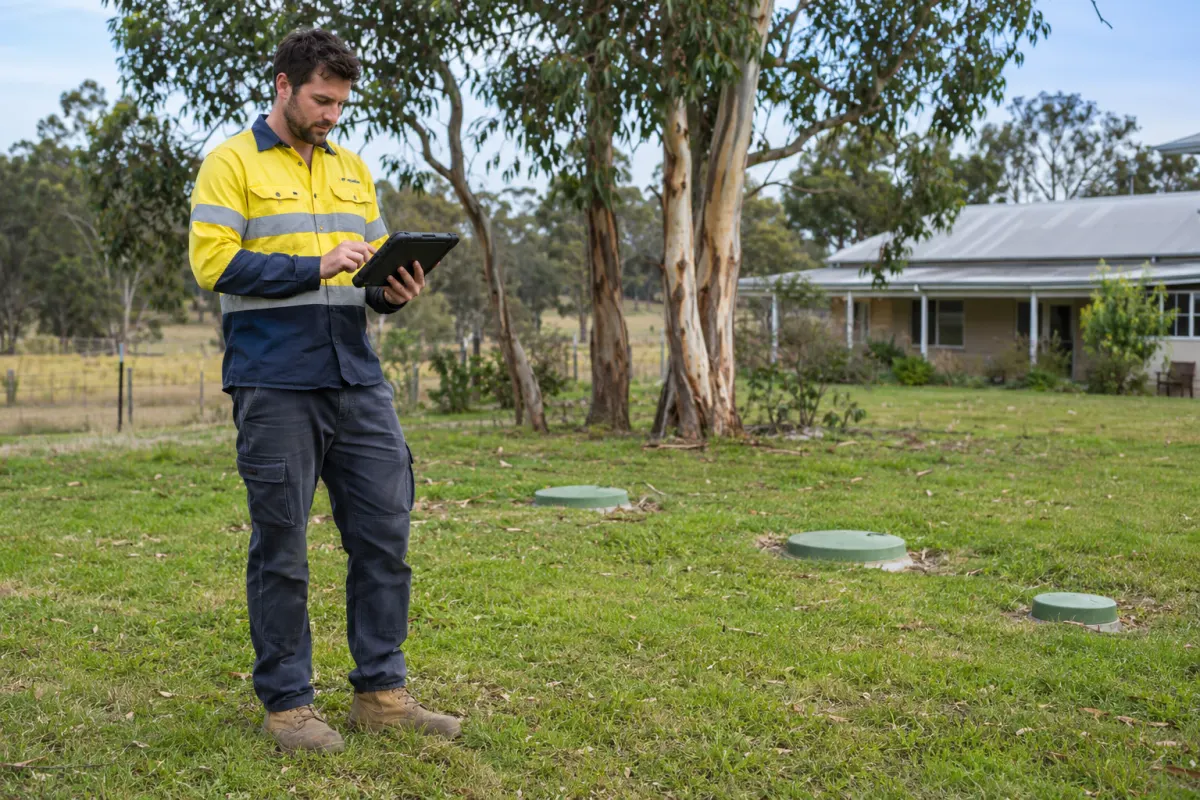
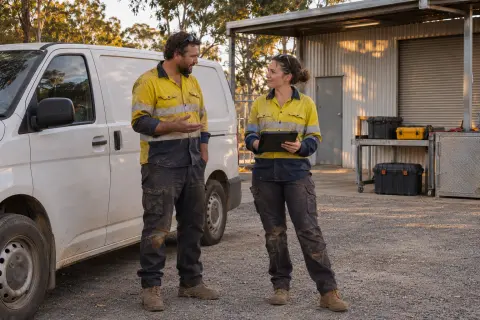
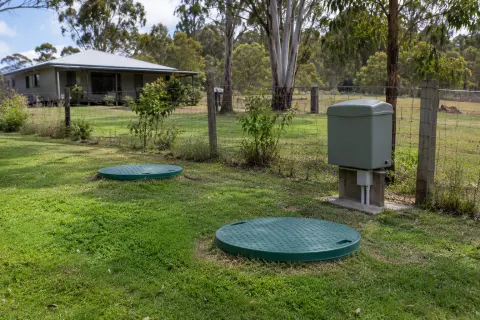
The wrong time to discover an app needs reception is halfway through a service on a property with none. A salesperson saving one note in aeroplane mode doesn’t prove that your crew can finish a day’s work. Photos, signatures and the return trip to the office need checking too.
Run this test with a sample customer and a spare job. Use the same phone or tablet the technician will carry, with the forms your business actually uses. Keep a record of what passed and what needed a workaround so the office can make a decision from the results.
Download tomorrow’s work
Begin with a normal connection. Assign and dispatch the sample jobs, then refresh the device. Check more than the address: the crew needs the correct system, instructions, contact numbers and the site’s access information.
Switch off the connection and reopen each downloaded job. Can you still read everything you expected? Test the previous service information you want available, rather than assuming every linked record has been cached. An address button may open another app whose maps haven’t been downloaded. Record that dependency separately.
Decide who checks the morning download before the truck leaves. A working app can’t show a new job it never received.
Complete a whole visit
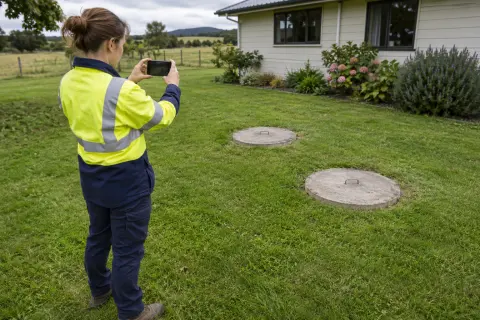
While offline, work through the same sequence as a technician. Enter the arrival, fill in a form, save it as a draft, close the app and return to it. Add several photos, a caption, a signature and a fault that needs office attention. Finish the job.
Use realistic answers with enough detail to reveal cramped fields or missing choices. A form tested with nothing but yes answers won’t tell you what happens when a technician needs to explain an exception.
Check what the app says after each save. Your crew should be able to distinguish work saved on the device from work received by the office. Write down the exact indicators they’ll see, including any queue or review screen. Those words belong in the induction notes.
Reconnect and check the office
Restore the connection and trigger a sync. Have someone in the office open the same job while the technician watches the queue. Compare the form answers and captions, then open the full photos and signature. Count the attachments; a thumbnail alone is a weak check.
Some apps send text data before larger files. Allow the upload to finish and confirm the office can see the last image before treating the job as fully received. Our photos and signatures guide covers how to keep that evidence understandable.
Repeat the sync once. You want the same job updated, with no duplicate completion or extra copy of the report caused by the retry.
Interrupt the connection
A connection that appears briefly and disappears is a useful second test. Start a larger upload, interrupt it, then reconnect. Does the app show what is still waiting? Can the technician retry an item without re-entering the visit?
Ask what happens when an item needs review. Test that path with sample data and document how the crew should report it. Deleting a queue item, signing out or reinstalling the app can affect unsent work, so recovery instructions need to come from the supplier for the app you’re testing.
Also try an office change while a device is offline: move a sample booking or give it to someone else, then reconnect. Check both the updated assignment and any field work already waiting to send. This catches confusion that a straightforward upload test misses.
Make sync part of handover
Agree on an end-of-day check with a named person responsible for following up exceptions. The technician should report waiting items and failed uploads before returning a device. The office should compare the day’s jobs with the work received, using a short handover routine.
In Rangefront Waste, Saved work shows waiting items, items needing review and the last sync and send. Photos upload after job data, so they can arrive later. The field app keeps downloaded jobs and queues forms, photos and signatures when there’s no connection. These are useful behaviours to test in your own conditions when comparing septic service software.