A dispatch handover checklist for septic service teams
The next dispatcher needs to know what has changed and what still needs a decision. A full calendar doesn't show either clearly enough on its own.
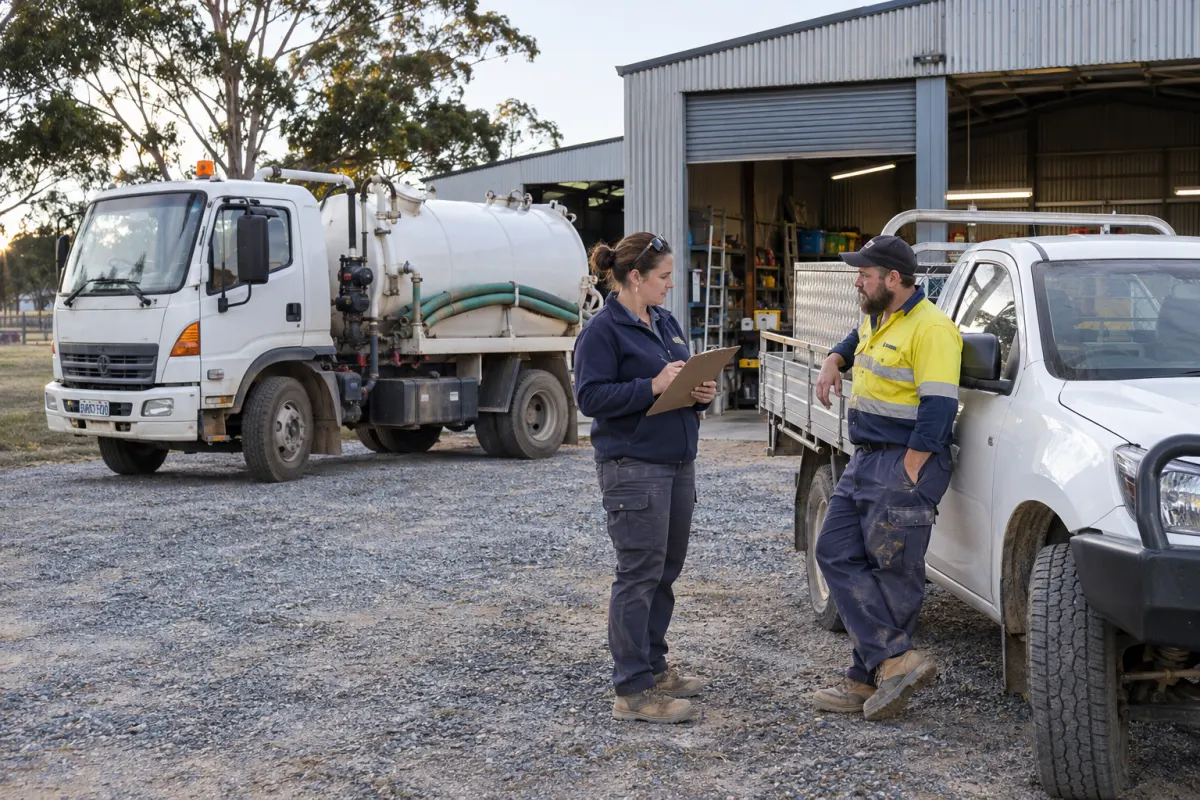
A dispatcher can leave a perfectly legible schedule and still leave the next person guessing. One customer is waiting for a callback, a driver hasn’t received a changed run and the job marked finished needs another visit before anybody can invoice it.
Hand over the exceptions and decisions as well as the appointments. A shared written list is useful even when both dispatchers sit together, because it survives the interruption halfway through the conversation.
Put the immediate decisions first
Start with anything that needs action before the next crew movement: an urgent caller, a truck unable to continue, a locked property or a customer waiting on a time-sensitive update. Give each item a job number, a current situation and the next decision.
Include who is responsible and when they need to act. A note saying call owner is incomplete if three people assume somebody else will make the call. If you promised a callback by a particular time, preserve that promise exactly.
Our urgent job process explains how to record a response before reshuffling the day. Use the same record in the handover rather than copying a shortened version onto another pad.
Check crew and truck assignments
Review who is working, which truck they have and any limits on that truck’s availability. A technician covering another crew’s run needs the relevant equipment and instructions, not just the addresses.
Confirm that dispatched work reached the field device. An office schedule can show the new order while an offline phone still holds the old one. Record when a change was communicated directly and whether the crew acknowledged it.
If the map position is old, include that context. A stale location shouldn’t be handed over as proof the truck is still at a property. The next dispatcher needs to distinguish a crew running late from a crew whose updates haven’t arrived.
Review access and customer promises
List the visits with unresolved access, required attendance or special arrival windows. Check where the gate code and contact number are stored. Put crew instructions on the job record so the driver can use them; an office-only note won’t help at the entrance.
Record what customers have been told about delays or revised dates. Include replies needing action, failed messages and promised updates. Avoid sending a second dispatcher into the same conversation with a different version of the plan.
A useful handover line states the change and its consequence: the owner can meet after midday, so move the stop and confirm the new window. That’s more actionable than customer called.
Separate unfinished work
Review stops not started, visits the crew couldn’t complete and work awaiting office approval. They need different actions. A stop left on yesterday’s run needs rescheduling; a completed checklist awaiting review needs someone to check the evidence.
For failed visits, capture the cause and what will make a return possible. If the tank couldn’t be reached, a second appointment without changed access is likely to fail again. Give the task an owner and follow-up time.
Open defects also need a place in the handover when they affect tomorrow’s work. A routine service can be finished while a repair remains open. Don’t use a single completed mark to imply every obligation at the site has been resolved.
Write a short handover record
Keep the format stable enough to scan. For each outstanding item, record:
- The job or site reference and the current facts.
- The customer promise or operational constraint.
- The next action, responsible person and time.
- Any change the crew still needs to receive.
Link to the full job for background rather than pasting the whole history. Remove or close an item when the action is completed, with a note of the result. An ever-growing handover list becomes another place where current work is hidden.
At the start of the next shift, the incoming dispatcher should confirm the urgent actions first. That acknowledgement establishes who now owns the queue; it doesn’t require repeating every booked visit aloud.
Handover in Rangefront Waste
The schedule separates unscheduled work, overdue bookings and jobs needing review. Job history records status changes, and office follow-ups can identify what you’re waiting on, who’s responsible and when to act. Office-only follow-up notes remain separate from field instructions.
Today can surface running-late and missed-job alerts when configured and supported by field updates. Treat those alerts as information to assess alongside signal quality and the crew’s response.
Use the jobs documentation to understand the states being handed over. For preparing the next day’s actual stops, follow the pump-out run planning guide.